Introduction
India is facing one of the biggest drug crises in its history. According to the UN World Drug Report 2025, more than 316 million people worldwide use drugs, and India is among the countries most affected by substance abuse.
Over the last eight years, narcotic consumption among Indian youth has increased by around 70%, putting an entire generation at risk. Easy access to drugs, peer pressure, mental health challenges, and misinformation have created a dangerous environment for young people.
This article explains the latest facts, why youth are especially vulnerable, the warning signs parents should never ignore, and practical steps families can take to protect their children.
The Hard Facts About India’s Drug Crisis
The statistics paint a worrying picture:
- 16 crore Indians (aged 10–75 years) consume alcohol.
- 3.1 crore people regularly use cannabis.
- 2.06% of the population is dependent on opioids.
- 20.4 tonnes of methamphetamine were seized in South Asia in recent years, highlighting the rapid growth of synthetic drug trafficking.
- Telangana has reported a significant rise in synthetic drug seizures, reflecting the growing threat across India.
The problem is not limited to India.
Globally:
- More than 316 million people use drugs.
- 25 million people use cocaine, the highest number ever recorded.
- Highly dangerous synthetic drugs such as fentanyl and nitazenes are spreading through illegal drug markets. These substances can be many times more potent than heroin, making overdose far more likely.
Why Young People Are Most at Risk
Young people are particularly vulnerable to substance abuse for several reasons.
1. Peer Pressure
Many teenagers and college students are introduced to drugs through friends, parties, or social gatherings where drug use is portrayed as fashionable or harmless.
2. Easy Availability
Social media platforms, encrypted messaging apps, and dark web marketplaces have made illegal drugs more accessible than ever before.
3. Mental Health Challenges
Stress, anxiety, depression, loneliness, and academic pressure often lead some young people to experiment with drugs as a temporary escape.
4. Lack of Awareness
Many teenagers do not fully understand how addictive synthetic drugs can be or how quickly experimentation can turn into dependency.
Warning Signs Parents Should Watch For
Early detection can save lives.
Parents should pay attention if they notice:
- Sudden mood swings or unusual irritability
- Declining academic performance
- Secretive behaviour and avoiding family conversations
- Frequent requests for money or unexplained expenses
- Changes in sleeping or eating habits
- Loss of interest in hobbies and family activities
- New friend circles with suspicious behaviour
One sign alone may not indicate drug use, but several together deserve careful attention.
Steps Parents Can Take Today
Talk Openly
Create a safe environment where your children feel comfortable discussing difficult topics without fear of punishment or judgment.
Educate with Facts
Share reliable information from trusted organisations such as UNODC, AIIMS, and government health agencies about the dangers of drug abuse.
Monitor Social Circles
Know your child’s friends, online activities, and the communities they interact with. Open communication is more effective than constant surveillance.
Support Mental Well-being
Encourage healthy coping mechanisms such as sports, exercise, hobbies, counselling, and family time to reduce emotional stress.
Seek Professional Help Early
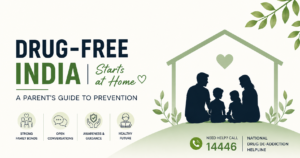
If you suspect drug use, seek professional guidance immediately. You can contact India’s National Drug De-Addiction Helpline (14446) for confidential support and assistance.
How Wake Up Humanity Is Making a Difference
Wake Up Humanity is committed to building a drug-free India through:
- School and college drug awareness programmes
- Community education campaigns
- Rehabilitation and recovery support
- Collaboration with law enforcement agencies
- Youth counselling and prevention initiatives
- Public awareness drives encouraging healthy lifestyles
By educating communities and supporting affected families, Wake Up Humanity aims to prevent addiction before it begins.
Conclusion
India’s youth are standing at a critical crossroads. Rising drug abuse threatens not only individual lives but also families, communities, and the nation’s future.
Parents, teachers, schools, healthcare professionals, and society must work together to recognise early warning signs, educate young people, and encourage healthy choices.
Start the conversation with your children today. Share this article with friends and family, spread awareness in your community, and don’t hesitate to call 14446 if you or someone you know needs immediate help.
Together, we can build a healthier, safer, and drug-free future for India’s next generation.
Frequently Asked Questions (FAQs)
How serious is drug abuse among Indian youth?
Drug abuse has increased significantly among young people in India over the past several years, making early awareness and prevention more important than ever.
What are the early signs of drug addiction?
Common warning signs include sudden behavioural changes, poor academic performance, secrecy, mood swings, unexplained spending, and withdrawal from family and friends.
What should parents do if they suspect drug use?
Stay calm, communicate without judgment, seek professional medical advice, and contact the National Drug De-Addiction Helpline (14446) if immediate support is needed.
How can schools help prevent drug abuse?
Schools can organise awareness programmes, provide counselling services, educate students about substance abuse, and work closely with parents to identify early warning signs.
What is Wake Up Humanity?
Wake Up Humanity is an organisation dedicated to drug awareness, rehabilitation support, youth education, and community initiatives that promote a drug-free India.